




Can You Stump Grind in the Winter? What Utah Homeowners Should Know
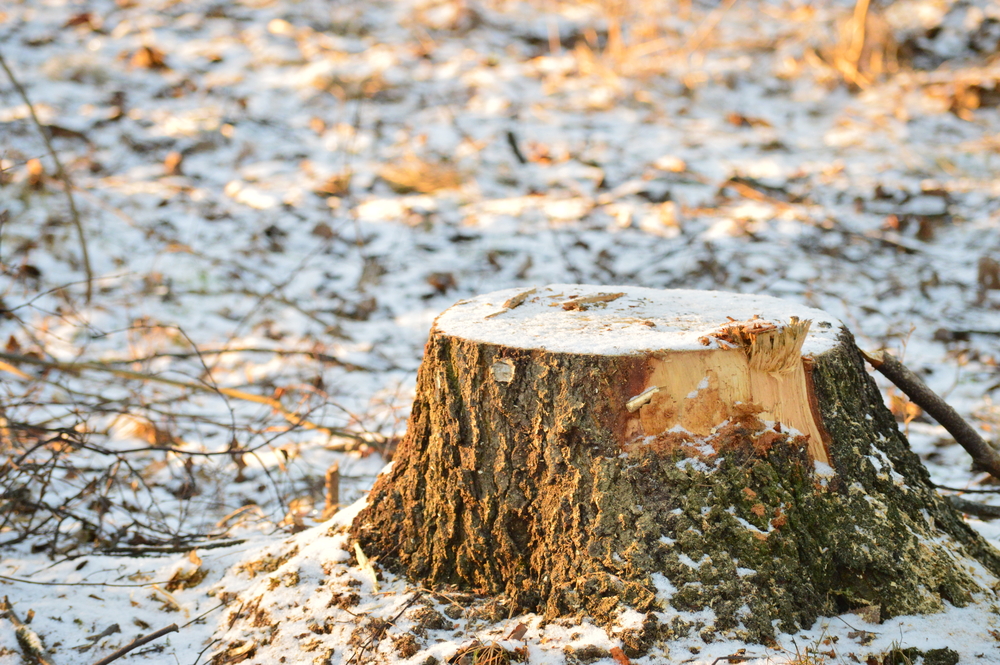
If you have an old tree stump sitting in your yard as winter approaches, you may be wondering if you need to wait until spring to remove it. So, can you stump grind in the winter? Yes, you can stump grind in the winter in many situations. Cold temperatures alone usually don’t prevent stump grinding. The bigger factors are snow depth, ground conditions, access to the stump, and the location of underground utilities or irrigation systems. For homeowners in Northern Utah, winter can actually be a convenient time to take care of unwanted stumps before spring landscaping projects begin. Here’s what you should know about winter stump grinding and when it makes sense to schedule the job. Can You Stump Grind in the Winter in Utah? Stump grinding can be completed during much of the Utah winter as long as the stump is accessible and site conditions allow the equipment to operate safely. A professional stump grinder uses a powerful cutting wheel to break the stump into small wood chips. The machine primarily works on the wood itself, so cooler temperatures don’t automatically stop the process. At Steve’s Stump Grinding, our stump grinding services are designed to remove unwanted stumps and exposed roots below ground level. The equipment can handle both smaller residential stumps and larger projects throughout Northern Utah. Winter conditions can vary considerably from one week to the next, though. A clear January afternoon may provide perfectly workable conditions, while a major snowstorm could make the same stump temporarily difficult to reach. What Winter Conditions Can Affect Stump Grinding? When people ask, “Can you stump grind in the winter?” temperature is usually their first concern. In reality, several other conditions can have a bigger impact. Snow Around the Stump A light layer of snow usually isn’t a major issue, especially when the stump location is clearly visible and easy to access. Heavy snow can make the job more complicated. The area around the stump may need to be cleared so the operator can see the stump, surrounding roots, rocks, sprinkler heads, landscaping features, and other potential obstacles. Snow can also hide raised roots that you may want removed. If you’ve noticed roots spreading across your lawn, our root removal services can help remove exposed roots along with the stump. Frozen Ground Cold soil doesn’t necessarily mean stump grinding has to stop. The grinder is designed to cut through dense wood, and much of the work takes place directly around the stump. Extremely hard frozen soil can make deeper grinding and work around the root system more difficult, however. Conditions can also change throughout the winter. A stretch of warmer weather may soften the surface considerably. Wet or Muddy Ground Mud can sometimes create more problems than cold temperatures. Very wet soil can make it harder to move equipment across a lawn without creating ruts or disturbing the surrounding area. Steve’s Stump Grinding recommends avoiding overwatering the grass before service for this reason. Utah State University Extension also recommends paying attention to soil and moisture conditions throughout the winter. You can find additional seasonal landscaping guidance in the USU Extension November yard and garden tips. Equipment Access Access is important during every season. Snow piles, icy slopes, parked vehicles, fences, gates, landscaping, and other obstacles can affect how easily equipment can reach the stump. Steve’s Stump Grinding uses equipment that can fit through a 36 inch gate, which makes it possible to reach many backyard stumps without bringing large excavation equipment onto the property. You can learn more about the process on our residential stump grinding page. Why Winter Is a Great Time for Stump Grinding Winter may not seem like the ideal time for landscaping, but it can actually be one of the best times to schedule stump grinding in Utah. Removing unwanted tree stumps during the winter gives the soil and surrounding area several months to settle before spring planting, landscaping, or sod installation begins. Once the stump and major roots are ground below the surface, the remaining wood chips and soil have time to naturally settle and break down, helping create a more prepared area for new grass, sod, trees, flowers, and other landscaping projects in the spring. By taking care of stump removal and stump grinding during the winter, homeowners, landscapers, and contractors can get a head start on their spring projects and avoid having an old stump slow down their landscaping plans. Does Stump Grinding Damage Your Lawn in Winter? Professional stump grinding is designed to limit unnecessary disturbance around the stump. Ground conditions still matter. If your lawn is extremely wet, muddy, or covered by deep snow, waiting for better conditions may help protect the surrounding grass. In some situations, colder and firmer ground can provide a stable surface for equipment. The condition of each yard is different, so it’s helpful to discuss the property before scheduling the work. Our equipment is specifically designed for stump grinding, which allows us to focus on the stump and surrounding surface roots without excavating the entire root system. If you’re trying to decide how much removal your yard needs, read our guide to stump grinding vs. stump removal. Can You Grind Tree Roots During the Winter? Exposed tree roots can often be ground during winter along with the stump. Raised roots can make mowing difficult, create tripping hazards, and interfere with future landscaping. Grinding those exposed roots can create a smoother surface and make the area easier to maintain. Frozen soil may affect how deeply or extensively roots can be ground during certain periods, so the exact conditions around the tree matter. If you have a large network of exposed roots, show the entire area to the stump grinding company instead of focusing only on the main stump. What Happens to the Stump After Grinding? Stump grinding turns the stump into wood chips and mulch. At Steve’s Stump Grinding, the material can be placed back into the hole and the work area can be raked
What Is Left After Stump Grinding? What Utah Homeowners Should Expect
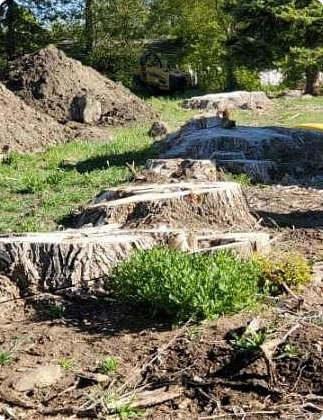
Removing a tree can completely change the look and usability of your yard, but cutting down the tree is only part of the process. Once the trunk and branches are gone, you’re usually left with a stump that can get in the way of mowing, landscaping, planting, or simply enjoying your outdoor space. Stump grinding is one of the most practical ways to deal with it. Still, many homeowners have the same question before scheduling the service: what is left after stump grinding? After stump grinding, you’ll typically have a mixture of wood chips and soil where the stump used to be, along with portions of the underground root system. The visible stump is ground below the surface, creating an area that can eventually be filled with soil and used for grass, landscaping, or another outdoor project. Here’s a closer look at what you can expect after the grinder finishes the job. What Is Left After Stump Grinding? The biggest thing left behind after stump grinding is a pile of wood chips mixed with soil. A stump grinder uses a rotating cutting wheel to gradually break the stump into small pieces. As the machine works below the surrounding ground level, those pieces mix with the dirt around the stump. The amount of material left behind depends on the size of the stump. A small ornamental tree may leave a fairly manageable pile. A large mature tree can produce a surprising amount of material because the stump often extends much farther below and around the visible trunk than homeowners expect. With professional stump grinding services, the stump can be ground below the soil surface so the remaining area is easier to restore and reuse. Are Tree Roots Left After Stump Grinding? Yes, portions of the tree’s underground root system usually remain after stump grinding. A tree can have roots extending far beyond the stump itself. Grinding the entire underground root network would require significant excavation throughout the yard, which usually isn’t necessary. During a typical stump grinding project, the main stump and accessible surface roots are ground down. The remaining underground roots stay in the soil and gradually break down over time. If large exposed roots are creating bumps, interfering with landscaping, or presenting another problem, additional root removal services may be useful. It’s helpful to discuss your plans for the area before grinding begins. If you’re trying to level the lawn, install new landscaping, or prepare the area for construction, the grinding depth and amount of root work needed may be different. Do Roots Keep Growing After Stump Grinding? Most roots eventually begin to decay once the tree and stump are gone because they no longer have the tree’s canopy supplying energy. Some tree species can occasionally send up new shoots from remaining roots. If you notice sprouts appearing near the old tree location, they can usually be managed as they appear. Grinding the stump removes the primary portion of the tree that would otherwise remain in the yard and gives you a much cleaner starting point for restoring the space. What Happens to the Wood Chips? One of the most noticeable things after stump grinding is the pile of grindings. You have a few options for dealing with them. You can keep some of the wood chips and use them around landscaping beds, trees, or other areas where mulch makes sense. You can also remove the grindings and replace the area with clean topsoil. If your main goal is to plant grass where the stump used to be, removing a good portion of the wood material usually gives you a better foundation for adding soil and seed. Steve’s Stump Grinding also offers cleanup options for homeowners who want the stump grindings hauled away and the space prepared for topsoil. You can learn more about available options on the residential stump grinding page. Does Stump Grinding Leave a Hole? Stump grinding can leave a shallow depression after the loose wood chips and debris are removed. The exact size depends on the stump’s diameter, root flare, and grinding depth. Larger trees naturally leave a larger area to restore. The good news is that the space can usually be filled with topsoil. Once the soil settles, you can add additional soil as needed and then seed or sod the area. If you’re planning a larger landscaping project, the open space may actually give you more flexibility to redesign that portion of the yard. Can You Plant Grass After Stump Grinding? Yes, grass can usually be planted where a stump was ground. Start by removing excess wood chips from the grinding area. Some small pieces mixed into the soil are generally expected, but you don’t want to rely on a deep pile of stump grindings as your planting soil. Add quality topsoil until the area is slightly above the surrounding ground. Fresh soil can settle over time, so giving it a little extra height can help. Next, spread grass seed suited to your lawn, lightly cover it with soil, and keep the area consistently watered while the grass establishes. Sod can also be used if you’d like faster coverage. Can You Plant Another Tree in the Same Spot? You may be able to plant another tree near the location of the old stump, but planting directly in the exact same spot can be more complicated. Old roots may still occupy a significant portion of the soil below the surface. As those roots break down, the ground can also settle. If you’re replacing the tree, consider moving the new planting location several feet away when space allows. This gives the new tree access to less disturbed soil and reduces competition with the remaining root material. If planting in nearly the same location is important for your landscape design, deeper stump and root grinding may be needed. How Deep Does Stump Grinding Go? Grinding depth depends on the property and what you plan to do with the space afterward. For many residential projects, grinding
Stump Grinding vs. Stump Removal: What’s the Difference?
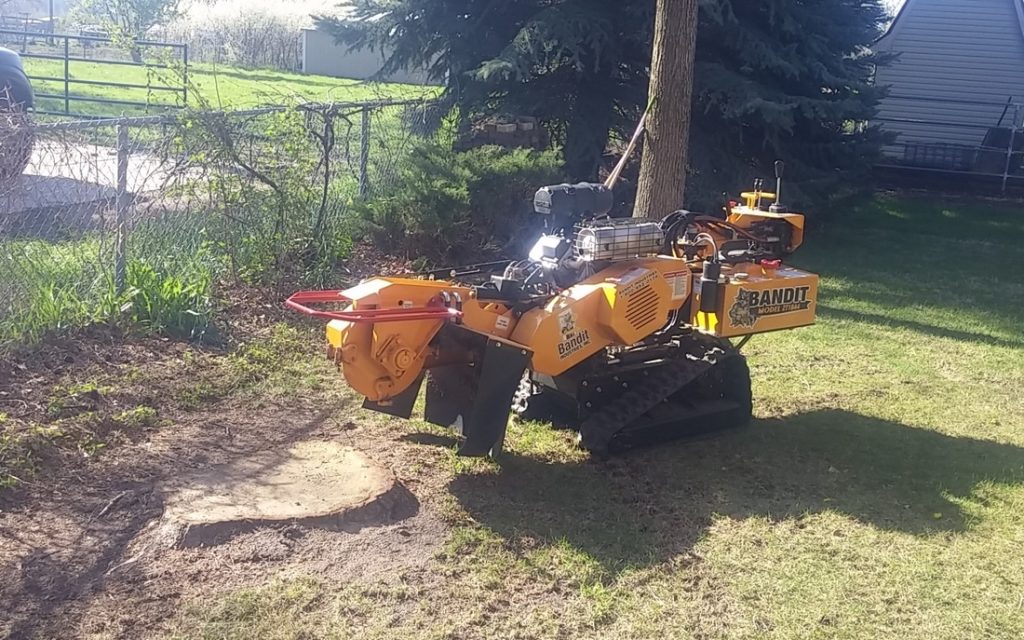
Stump grinding uses a machine to grind a stump and its nearby surface roots below ground level. The deeper roots remain underground and naturally decay over time.Stump removal, also called stump extraction, pulls the entire stump and root ball out of the ground. This process requires more labor and heavier equipment, usually costs more, and leaves behind a large hole that must be filled.For most homeowners across Northern Utah who simply want to eliminate an unwanted stump, stump grinding is the faster, less disruptive, and more affordable option. You had a tree cut down, but now the stump is still taking up space in your yard. As you research your options, you may see “stump grinding” and “stump removal” used as though they mean the same thing. They don’t. Choosing the right method depends on what you plan to do with the area afterward, how much yard disruption you’re comfortable with, and whether the deeper root system actually needs to be removed. What Is Stump Grinding? Stump grinding uses a specialized machine with a rotating cutting wheel to grind the stump into small wood chips. The machine also removes the root crown and nearby surface roots below ground level. Steve’s Stump Grinding typically grinds stumps approximately 12 inches below grade and can grind as deep as 25 inches when needed for larger or more stubborn stumps. After grinding: Benefits of stump grinding What Is Stump Removal? Stump removal, sometimes called stump extraction, involves pulling the stump and its root ball completely out of the ground. Depending on the stump’s size, contractors may use a backhoe, excavator, winch, or other heavy equipment. Once the stump and roots are removed, the property owner is left with a large hole that must be filled with new soil. Full stump removal generally requires: Because of these factors, stump removal usually costs significantly more than grinding the same stump. Steve’s Stump Grinding specializes in grinding rather than full stump extraction because it delivers the result most homeowners need without the added cost and yard disruption of digging out the entire root system. That’s different from Steve’s Stump Grinding’s own Root Removal service, which uses stump grinding equipment to remove exposed surface roots that have spread across a lawn or created a tripping hazard. The roots are ground down rather than excavated, so the service still avoids the heavy equipment, large holes, and extensive cleanup associated with full root-ball extraction. Can Stump Removal Damage the Yard? Full stump removal can create more disruption than grinding, especially when the stump is close to existing landscaping or structures. Excavating a large root ball may affect nearby: The risk can be greater with older trees because their roots may have grown beneath or around surrounding surfaces over many years. Stump grinding removes the visible obstruction without requiring contractors to dig up the entire root network. How Long Does Stump Grinding Take? Many single-stump grinding jobs can be completed within an hour after the crew arrives, although the exact timing depends on: Grinding is typically faster because the machine only needs to remove the stump and nearby roots to the necessary depth. Full extraction can take several hours or most of a day. Large root systems, tight access, buried utilities, and hardscaping can extend the process further. Stump Grinding vs. Stump Removal at a Glance Here’s how the two methods compare side by side. Factor Stump Grinding Stump Removal Process Grinds the stump below ground level Pulls out the stump and root ball Time Often completed during one visit Can take several hours or longer Yard disruption Usually minimal Often significant Equipment access Can fit through a standard 36-inch gate May require access for heavy machinery What remains Deeper roots remain and decay naturally Root ball is removed Hole left behind Smaller hole filled with mulch Large hole requiring new soil Typical cost Lower Higher Best for Most residential stump projects Foundations, utility work, or exact-location replanting Which Stump Removal Method Do You Need? The best option depends largely on how you plan to use the area. You just want the stump gone Choose stump grinding. Grinding removes the visible stump, eliminates the tripping hazard, and makes the yard easier to mow and landscape without tearing up the surrounding area. You’re installing a patio, shed, or deck Stump grinding is usually sufficient. Most of these projects require the stump and surface roots to be cleared and the area leveled. The deeper roots generally do not need to be excavated unless they interfere with structural footings. You want to plant grass or create a garden bed Choose stump grinding. After the mulch settles and the area is topped with suitable soil, homeowners can usually reseed the spot or incorporate it into new landscaping. You want to plant another tree in the exact same location Full removal may be worth considering. The remaining root system can make it harder to dig a new planting hole and may limit the space available for the new tree’s roots. Another option is to grind the old stump and plant the new tree several feet away. You’re installing utility lines or foundation footings Full removal may be necessary. Grinding leaves the deeper root mass underground. If construction or excavation must pass directly through that location, complete extraction may be the safer choice. Before any digging begins near utility lines, contact Utah’s Blue Stakes 811 utility locating service to have underground lines marked, since hitting an unmarked line can be dangerous and costly to repair. Do Leftover Roots Cause Problems After Stump Grinding? In most cases, leftover roots do not create a significant problem. Once the stump and root crown are removed, the remaining roots no longer have the tree’s trunk and canopy to support. They gradually stop functioning and decompose underground. As the roots decay, homeowners may occasionally notice slight settling in the soil. This can usually be corrected by adding a small amount of topsoil and reseeding the area. Grinding also speeds up the
How Much Does Stump Grinding Cost in Utah?
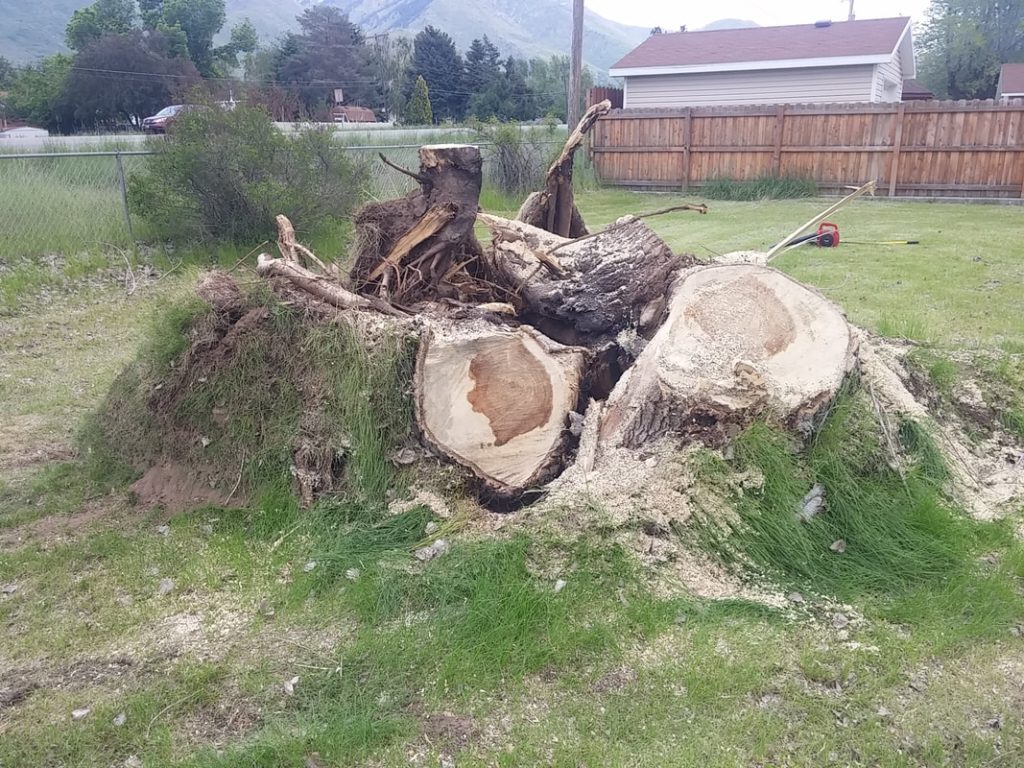
If you’ve recently removed a tree, you’re probably left with one big question: How much does stump grinding cost in Utah? The answer depends on several factors, including the size of the stump, its location, root system complexity, and how many stumps need to be removed. Most Utah homeowners can expect stump grinding costs to range from approximately $100 to $500 per stump, although larger or more challenging projects may cost more.